
Welcome back to the Final Fantasy Love/Hate series! In this entry we’ll be covering Final Fantasy VII Rebirth. I had such a good time with Remake that I was itching to play its sequel as soon as possible. However, it has a somewhat polarizing reputation in the fandom. The general consensus is that people love it, but a lot of people complain about bloat and open world fatigue. Given my low tolerance for open world bullshit, I was very curious to see how I would fare. Would Rebirth meet or even exceed Remake? Read on to find out…
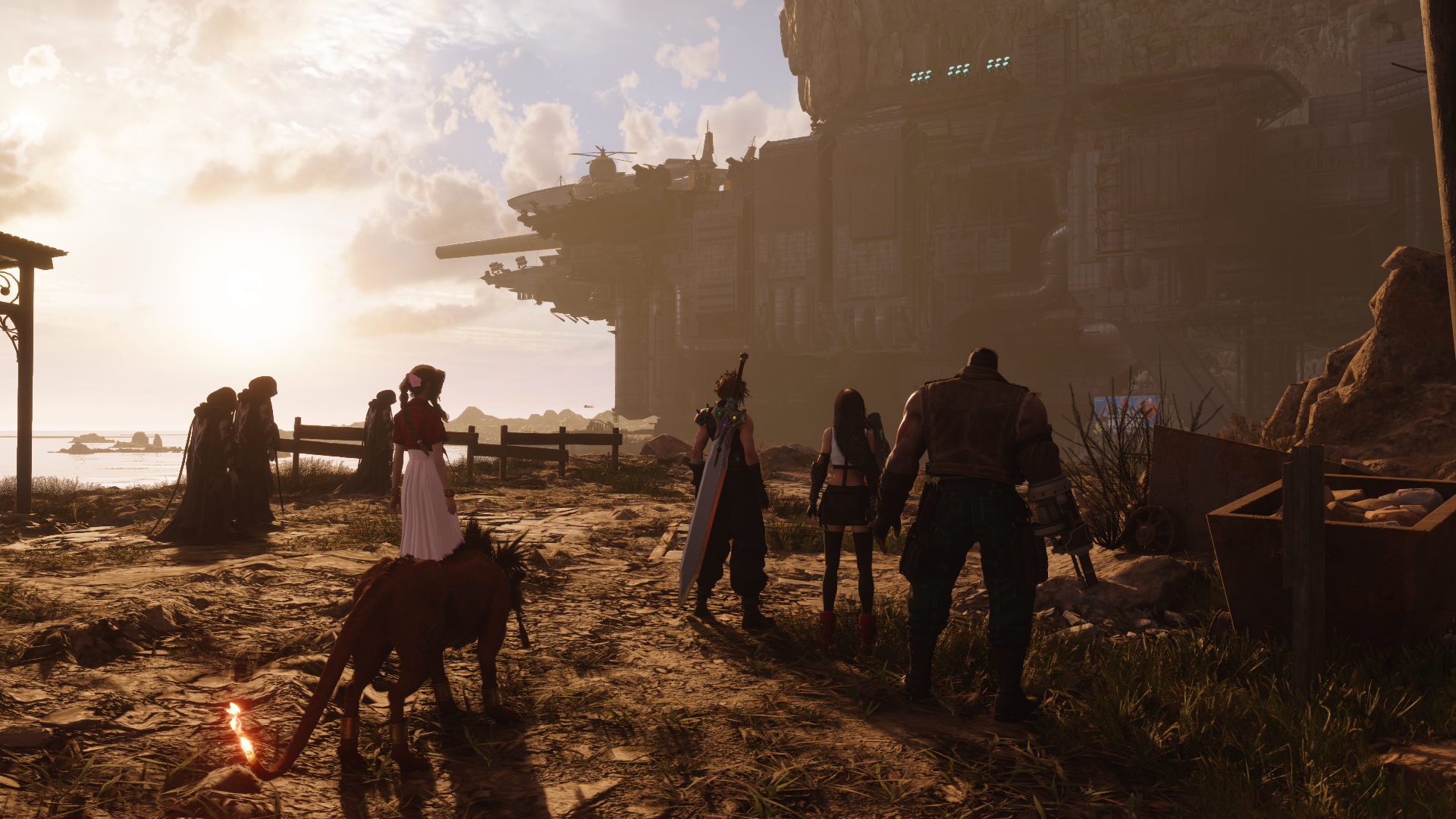
A quick note before we get into my thoughts on the game: while Rebirth does run on Steam Deck, the performance is apparently very choppy, so I decided to do this playthrough on my PC instead. I also played with the community shader injector mod active, because the game’s default lighting is somewhat washed out and excessively bright. While the mod has some issues (waterfalls in particular looked noticeably worse, and I was getting some really weird lighting bugs on occasion), toggling between the default and modded lighting is as easy as a press of the DEL key and shows a night and day difference in quality. All that is to say that my screenshots may look a bit better than the game’s “default” visuals!
Also, we’ll be discussing spoilers in this article, so you’ve been forewarned!

Got all that? Alright then, let’s dive in.
Love
- The Characters – The characters are the shining jewel of Rebirth. This isn’t exactly a revelation (in fact, I’ve said it for every single Final Fantasy VII-related game I’ve written about thus far). The main cast of characters are all so fun, interesting, flawed, and layered. Rebirth‘s characters really benefit from the expanded scope, script, and production value over the original game, allowing us to get to know these characters in a way that no other game can compete. You get this sense that you’re going out on an adventure with old friends every time you boot up Rebirth.
- Cloud really grew on me in Rebirth. He is as much of a cool guy as ever, but he’s also way more vulnerable here than ever. Cloud fears that his body and mind are breaking down, but he tries to hide his mental breaks behind a veil of stoicism. The thing is though… the party knows. Cloud tries to keep it to himself, but after dozens of hours of these episodes, the game suddenly makes it clear that the entire party known for a long time and are seriously concerned. This revelation paints the way we see Cloud in a whole new light and makes him way more interesting than the emotionless tough-guy we’ve seen up until this point. He’s also been made way more powerful in combat, as he can now shoot energy rays from his sword after dodging.
- Tifa takes on a more active role in Rebirth, leading the party’s effort to a) help Cloud and b) make sure he doesn’t lose control of himself. She goes through the wringer in this game. She’s got her moments of triumph and joy, but they’re balanced out by some major trauma, both new and dredged up. Like I said, this feels like an adventure with old friends, and Tifa’s that one friend you really love to hang out with. She’s also borderline broken in the late game when she gets the Chi Trap ability, which melts enemy health bars!
- Aerith continues her characterization as the quirky, fearless, and caring love interest. I really liked her in Remake, but she has a more measured role in Rebirth (until the game’s final hours anyway). She (SPOILER) dies at the end of this game, so they really needed to make sure she left the best impression on us. I’ll say that they succeeded: I’m definitely going to feel Aerith’s absence from the party (assuming Square Enix don’t pull some bullshit to keep her around).
- Barret continues to be the beating heart of Avalanche. We get to see more sides of him in Rebirth, with his serious affect broken up far more often by a goofy earnestness. I guess he’s gotten more friendly and trusting with the party since Remake and feels like he can be vulnerable with them, which is some great characterization! That said, his big character moments kind of fell flat for me. Even with the additional story beats Rebirth gives us, I still do not understand why Barret is to blame for Shrina destroying Corel. He may have been in favour of Shinra coming to Corel, but he wasn’t the only one, and the town as a whole voted in favour too. You could argue that the point is that he’s unjustly taking on this blame as an act of self-guilt, but the game frames his guilt as deserved and no one ever suggests otherwise. All of which is to say that it’s hard for me to get invested in the melodrama with Dyne when I think that it’s contrived to begin with. This aside, Barret remains an extremely fun character who makes every scene he’s in better.
- Red XIII finally gets upgraded to full party member in Rebirth. I quite liked his storyline in this game. He starts out as this sort of elder mentor character who dispenses wisdom as needed. However, he has some very silly moments which make him really fun and memorable. The moment where he disguises himself as a Shinra trooper so he can play in a Queen’s Blood tournament was the point where I knew that this game was special, and nailed the similarly silly vibe of the original FFVII. However, when Red XIII reaches Cosmo Canyon, his entire demeanour changes dramatically. We find out that his elder voice is an act, and that he’s actually just a teenager (or, at least, his species’ equivalent). While some people hate this personality switch, I actually think that teenager Red XIII is a way more interesting character than the wise elder version. The wise elder was a one-note character, relegated to “side character” status. However, when we find out that he’s still immature and has much to learn, he really comes into his own as a character. Unfortunately, his utility in combat is pretty niche, lacking any ranged attacks and requiring you to adopt a more defensive playstyle to get the most out of his kit. That said, once you get used to how he plays, Red XIII can feel borderline-unkillable.
- Yuffie is now a fully-fledged member of the party as well! While some people find her annoying, I didn’t mind her at all. She’s immature and over-eager, sure, but I found it to be endearing. She also holds the distinction of being one of my most-used party members due to her sheer utility. This entire game revolves around exploiting elemental weaknesses, so having access to all four elements with Yuffie’s ninjitsu and without using any MP is insanely useful and which no other party member can boast. She also has the doppelganger ability, which summons a Yuffie clone who copies your attacks, effectively giving you a sizeable damage buff as long as it’s active. She is arguably the single strongest character in the game in terms of pure flexibility.
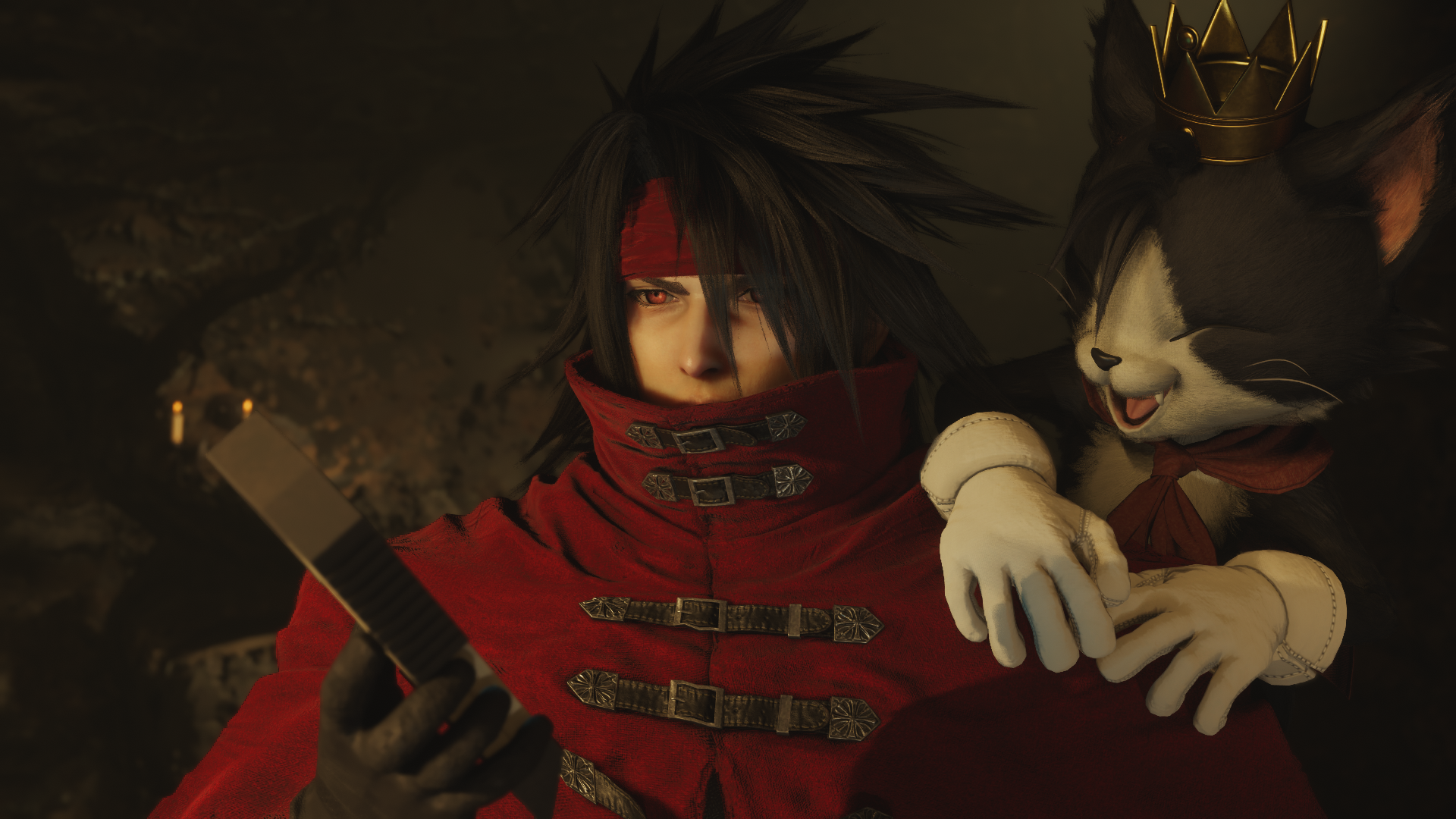
- Poor Cait Sith, he once again gets the short end of the stick. He doesn’t show up until more than halfway through the game, and even after this point, he isn’t even useable for several hours in the run-up to the final battle. Oh, and he also unfortunately stars in the absolute worst solo mission in the game. All that said: Paul Tinto and his Scottish accent help make Cait Sith super charming. He never feels like a “proper”, contributing member of the party, but I’d be lying if I said I didn’t like him by the end.
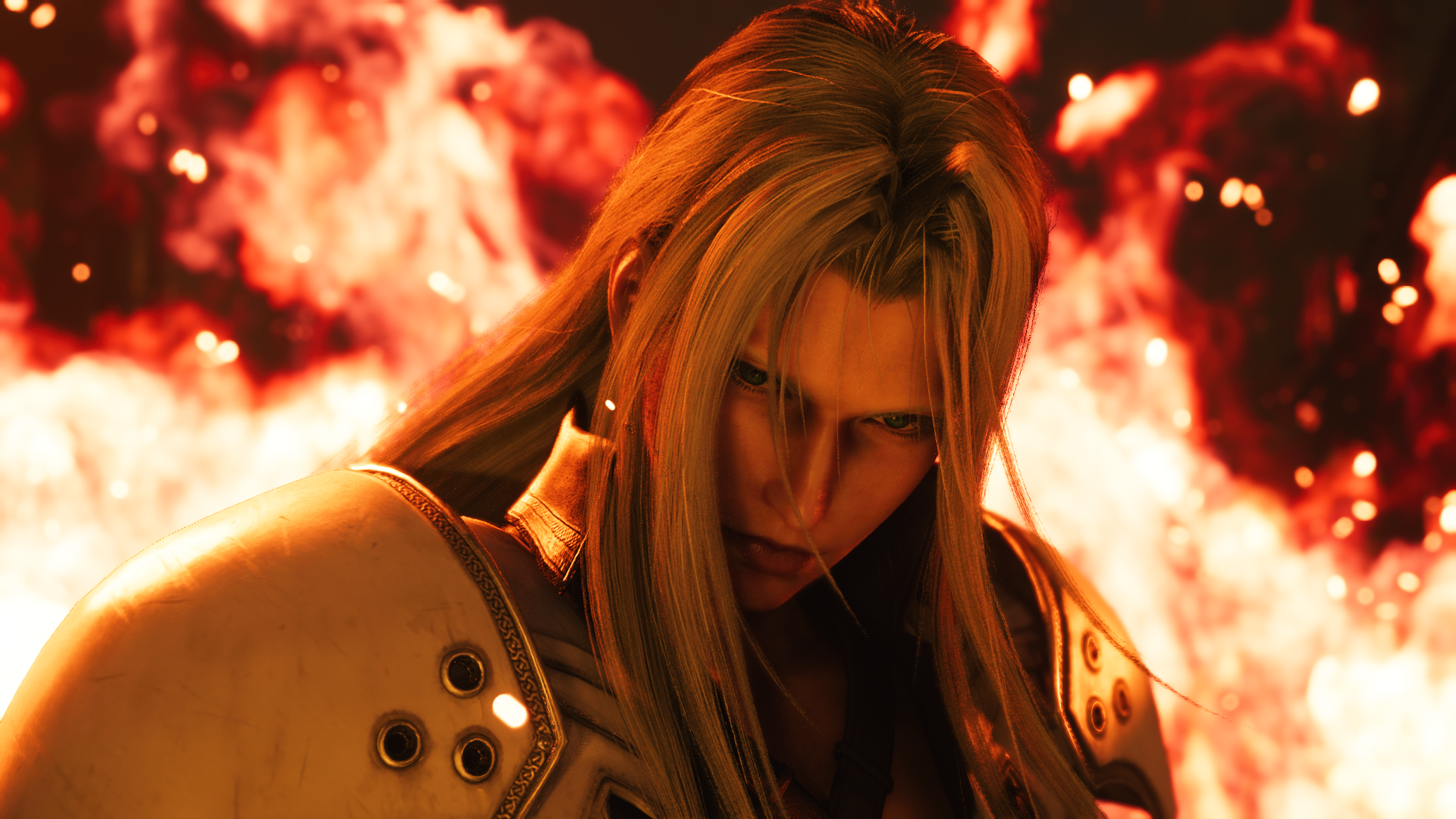
- Rebirth also introduces Cid and Vincent Valentine. Cid is a cocky, pragmatic pilot who shuttles you about – I really liked having him around. Vincent, on the other hand, is incredibly dour. His introduction is quite cool, but the game hammers you with it so much that it got grating to me. It doesn’t help that he joins the party because he wants to take on Sephiroth, and then doesn’t help the party at all when you’re fighting Sephiroth. While I wouldn’t say that I disliked Vincent, Revelation is going to have to work to make me like him.
- Also… goddamn, I can’t believe I’m saying this, but Rebirth even redeems a couple of the characters that I hated in Remake. First of all, Roche comes across less like a psychotic idiot and more like a flamboyant rival, which made him way more endearing every time he showed up. Also, I can’t believe it, but Johnny actually grew on me. He’s every bit as stupid as he was in the prior game, but I appreciate that he actually grows up and does the right thing for once; it made him a lot more likeable. The side questline where he accidentally gets cloned was also genuinely amusing.
- It’s True to the Soul of Final Fantasy VII – Over the last fifteen years or so, it has become a tired trope for AAA games to “go open world”. Sometimes this is just trend-chasing, which has made each subsequent open-world, AAA franchise feel increasingly homogenized and slow-paced. However, sometimes the series’ themes and gameplay are adapted into the open world framework in a way that feels transformative. Final Fantasy VII Rebirth is the latter type of game. Rebirth‘s open world perfectly captures the sense of freedom and exploration that the post-Midgar portion of FFVII invokes in the player, just with the presentation standards of 2024.
- Final Fantasy games have traditionally had an overworld in order to evoke a sense of freedom and exploration in the player. This fell away around the time of Final Fantasy X-onwards, as Square Enix prioritized more realistic, linear, and seamless experiences. Remake followed FFX‘s linear approach, but this made sense since the opening hours of FFVII were also very linear. However, Rebirth opens at the point in FFVII where you started exploring the overworld, so Square Enix have chosen to embrace technological advances and render this exploration in a full open world. While a fully-explorable open world does make Rebirth‘s world feel smaller than the original’s abstracted overworld, there’s still clearly get the sense that there’s some abstraction going on.
- As for the open world itself, I like that the emphasis is placed on exploration above all else. This is actually one of the areas where Rebirth elevates itself above the original FFVII, in my opinion. You aren’t being interrupted by combat encounters every few steps, so you can actually explore to your heart’s content and feel like you’re making some considerable progress. Navigating the open world doesn’t feel like a chore either – even if you’re ignoring the points of interest on your map, you’re never more than a short sprint away from some eye-catching detail on the horizon. Even getting around on foot doesn’t feel too bad, because there’s always something nearby, and fast travel points are very well-placed. It’s also worth stating that the open world itself is mostly-optional, so if you don’t want to spend a couple hours exploring everything, you can just focus on your primary objectives. I also appreciate that the latter regions in the game keep exploration enjoyable by introducing new environmental puzzles, which force you to think about how to get where you want to go. Let me put it this way: boring level design was one of my biggest issues with Remake, but this has been corrected entirely in Rebirth.
- I also like that Rebirth is not afraid to get very goofy, which feels very true to the more whimsical tone that Final Fantasy games had in the 90s. I remember James Stephanie Sterling describing Rebirth as being a borderline-parody (complimentary) back when it came out, and I can definitely see what they were getting at. While some people may find this goofiness tonally dissonant with the game’s more serious moments, I feel that it is actually an example of tonal contrast – the silly, light-hearted tone makes the times where the game gets serious all the more impactful. Plus, y’know, having Cloud get turned into a frog and say “Ribbit!” with his signature deadpan seriousness is just fucking funny.
- Variety – Final Fantasy VII Rebirth took me just shy of eighty-five hours to beat over the course of nearly three whole months. I usually do not like playing long games: at a certain point, they start to feel like a slog that I’m playing more out of obligation than fun. Rebirth avoided this fatigue for me, and I think a big part of that is due to the sheer variety on offer. One evening, I can be in a linear, story-based section. The next evening, I’m exploring the open world. The next evening, I’m playing some minigames and completing side quests. The pacing here reminds me of the 90s Final Fantasy games’ episodic questlines. Even if you get bored of what you’re doing, you’ll be off on some wildly new adventure in short order!
- Heavily contributing to this sense of variety is Rebirth‘s plethora of minigames. While some people hate the amount of minigames in Rebirth, I really enjoyed them. Having a bunch of minigames feels very true to FFVII‘s original design philosophy, and they keep the gameplay fresh and exciting. Sure, some of them are annoying, but they’re always brief and optional, so you’re never forced to interact with a bad minigame for long if you don’t want to.
- Queen’s Blood – Speaking of minigames, Queen’s Blood is so much fun that it deserves its own “Love” entry. This is your classic Gwent-style card game that you regularly get to engage with throughout the open world, buying and winning cards as you go to improve your deck. Here’s the thing though, Queen’s Blood isn’t really a card game: it’s actually a board game. Sure, you craft your deck of fifteen cards, but the actual gameplay is more about how you position these cards to maximize their abilities on the 3×7 grid than it is about the cards’ abilities themselves. I found that the consistent path to victory was with an aggro playstyle. I would trying to steal as many grid spaces as possible, starving out my opponents and prevent them from getting their own strategies online.
- Also, as of the moment that I’m writing this, I realize that I forgot to complete the last few Queen’s Blood matches before I finished the game… which almost makes me want to reload my save just to go hunt them down. I never replay a game right after completing it, but the fact that I’d consider it for Queen’s Blood should illustrate just how much fun Queen’s Blood is!
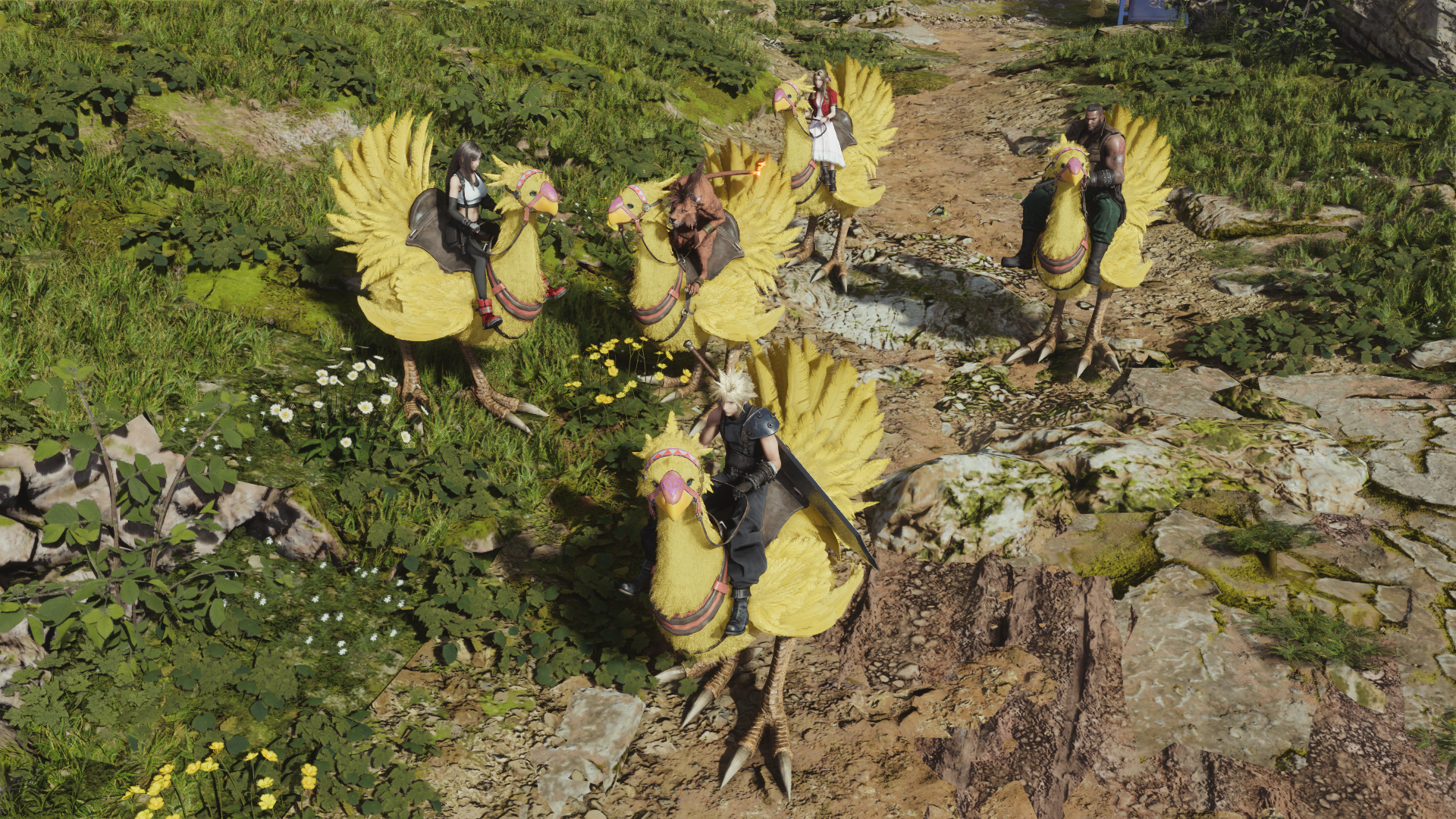
- Chocobos – There have been chocobos in every Final Fantasy game I’ve played, but my actual exposure to them has been pretty limited thus far. There was always some sort of barrier between us, whether that be hoops to jump through before you can use a chocobo, or requiring me to pay gil to ride them: it’s just never been worth the cost to me, so they’ve just been a background element of the series. However, Rebirth reverses this course dramatically, to the point where I am now actively brewing a chocobo-themed EDH deck because I love these guys so much.
- First, and perhaps most importantly, chocobos are easy to obtain and are freely summonable. Once you have unlocked a region’s chocobo (which is pretty quick and easy), you can just press a single button and your chocobo will show up a second later. Amazing! Getting around on foot is fine in Rebirth, but chocobos make traversal so much faster and easier. Most of them also have a special traversal ability which makes certain terrain accessible. They’re also just really fucking cute, and the way that they change the ambient soundtrack to be more lively and jaunty makes them feel like such a joy to explore with.
- On top of this, Rebirth has a fully-fledged chocobo racing minigame at the Gold Saucer. While I enjoyed the automated races from the PS1 original, this is a simple, player-controlled racing sim. It plays very similarly to Square Enix’s Chocobo Racing series, with a heavy emphasis on drifting, dash pickups, and using your mount’s special power to eke out a win. Naturally, this culminates with a grand prix quest, where you aim to become a world champion chocobo racing jockey. I actually completed this questline and loved the ending when all the different chocobos you’ve befriended on your journey come and celebrate your victory!
- Thirdly, my son watched during my playthroughs of Remake and Rebirth, and he fell in love with chocobos. He’s absolutely obsessed with them now, asks me to play “Grasslands de Chocobo” in the car all the time, and pretends that we’re riding on chocobos around the countryside. And, y’know what, I’m totally into all of this. Chocobos are awesome and the music fucking slaps!
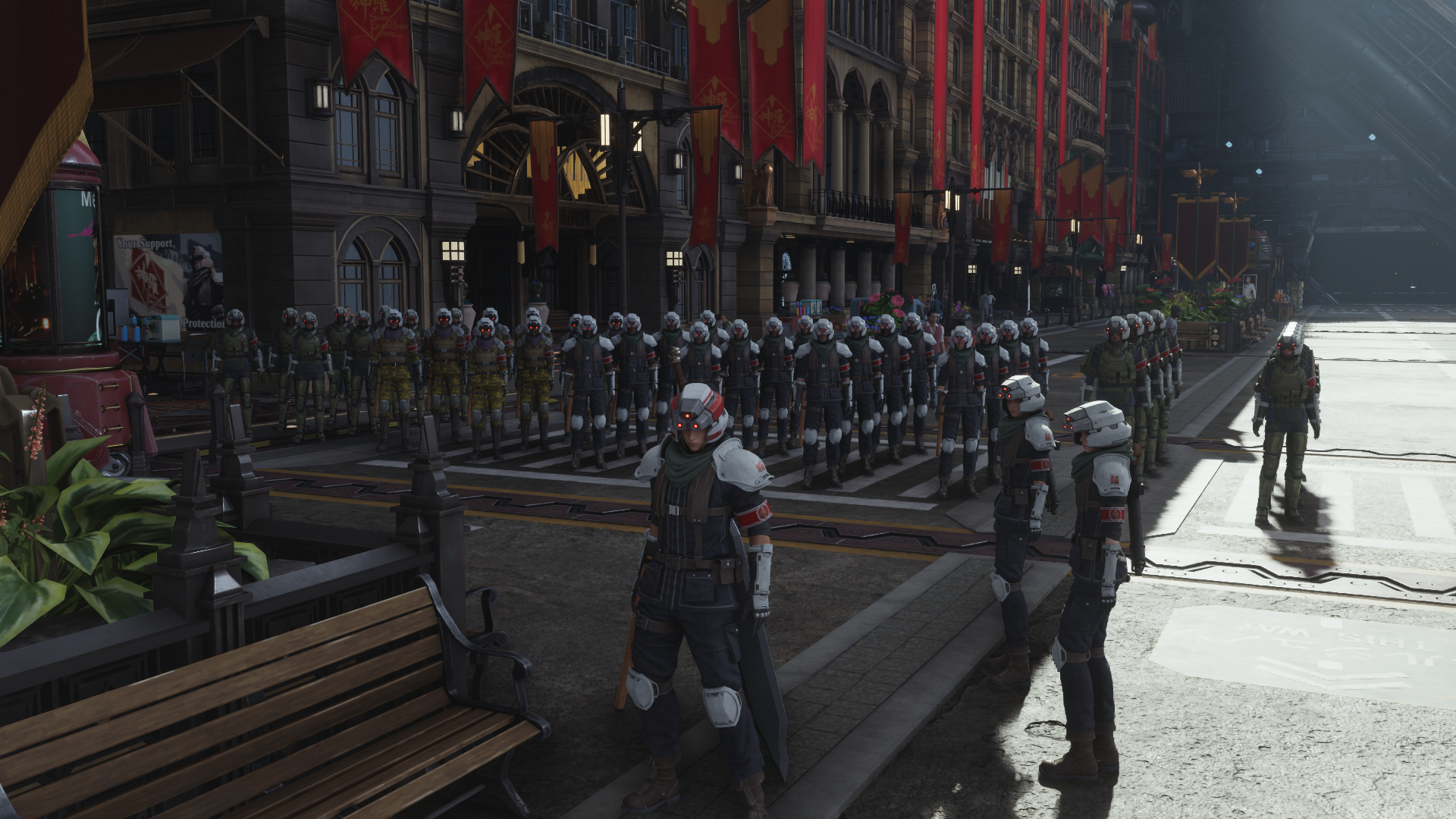
- Junon – While there are a lot of sections of this game that I loved, I’ve got to give a special shoutout to the entire Junon infiltration sequence. It starts out charming and comical, with Cloud, Tifa, and Aerith disguising themselves as Shinra troopers in order to infiltrate their base. Through a series of misadventures, they end up having to gather together the entire Seventh Infantry corps and lead them in a military parade. This requires you to literally go around collecting soldiers for the parade, who are comically well-disciplined and eager. You end up having dozens of soldiers following you around the streets of Junon while staying in rank the entire time and shouting jaunty drill chants the entire time. Their dialogue throughout this scene is fucking hilarious. It all culminates with a Honey Bee Inn-style QTE sequence where you lead your troupe in the parade. This sequence is orders of magnitude more playable than the fucking parade minigame in the original FFVII. However, in spite of all the silliness, there’s some genuine suspense here as well, because you know that Yuffie has infiltrated the base by herself and the knife is going to drop, so to speak, at some point. It’s a fantastic chapter and the point where I knew that I fucking loved this game.
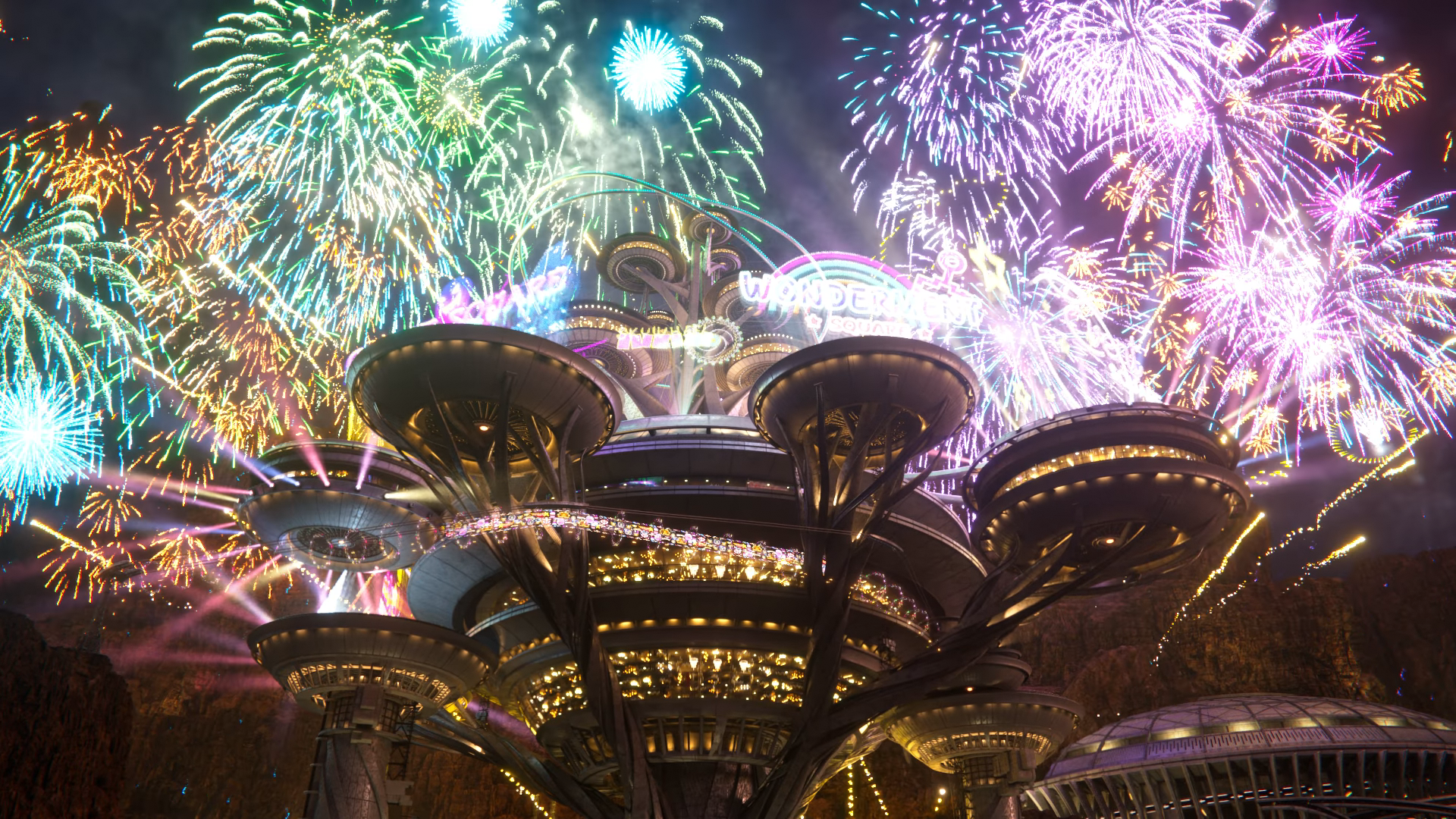
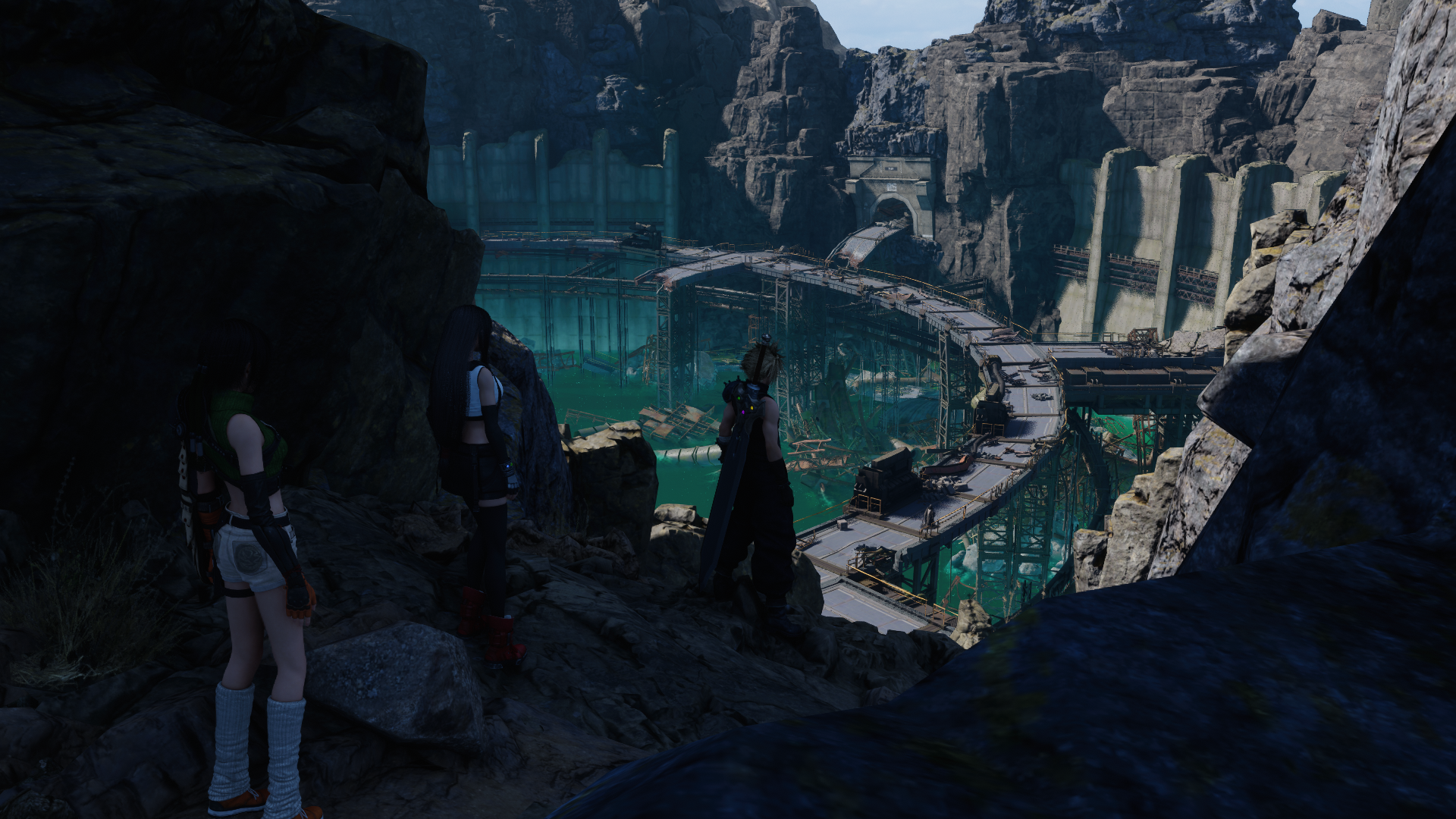
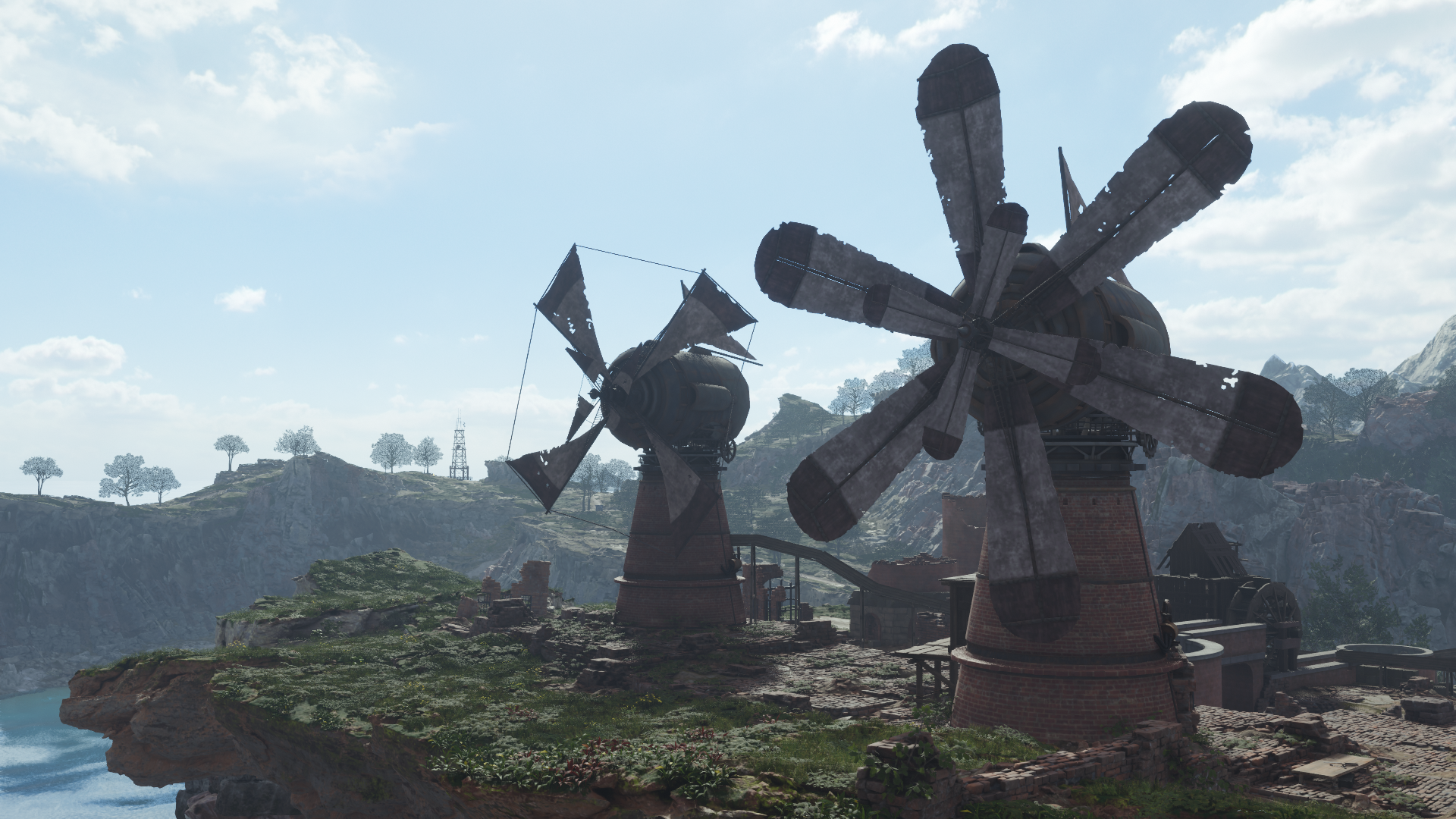
- GORGEGOUS Art Direction! – Rebirth straight-up takes your breath away at times. While the graphics of Rebirth are amazing (blowing away even Advent Children in terms of sheer fidelity), the art direction is what sets it apart. The first time I rounded the corner and saw Corel reactor, my jaw dropped. The moment you step outside Kalm and enter the open world, the world is just so vibrant and inviting. You can feel how deliberately the world has been designed, and how the developers use this to make the player feel something.
- Also, a side-note: I love how Rebirth has all of your companions travel with you. In the original FFVII, it was kind of implied that the companions who weren’t in your battle party were off doing something else… which sucks. I wasn’t using Yuffie or Barret very often in FFVII, but I’d like them to go on the adventure with me too! This problem has been completely rectified by Rebirth, as non-party members will still follow you around the world (albeit, at a slightly-further distance away), and even provide some (extremely limited) assistance in battle. I love this so much. It adds basically nothing mechanically, but it makes a huge difference in terms of attention to detail and endearing you to your entire party!
- Combat – I was very mid on the combat in Remake, so I’m happy to say that this has been rectified in Rebirth… which is remarkable, because it wasn’t changed all that much. Despite looking very similar, Square Enix have made some smart tweaks which make all the difference for me.
- First of all, interrupts are way less common now, so you feel like you can actually use your abilities with some degree of reliability!
- Secondly, Rebirth adds a new combat mechanic, Synergy Abilities. These are abilities that allow you to perform an paired attack with one of your party members, but only after unlocking the ability from one of the characters’ skill trees. Synergy Abilities are very strong and usually come with some sort of major buff (such as raising your limit break level, or temporarily giving you unlimited MP). The trade-off is that both party members need to have performed a certain number of actions before they can use a Synergy Ability, which incentivizes you to swap party members often in order to fill their ATB bars to make your Synergy Abilities available faster.
- Like its predecessor, Rebirth‘s combat system is a race where you attempt to put out enough damage to drain your enemy’s health bar before they drain yours. For most enemies, you’re looking to exploit their weaknesses to fill a bar and “stagger” them, allowing you to get in free hits that do extra damage. Thankfully, phase changes in boss fights no longer end staggers, so you can make some encounters easier by staggering the enemy at the right time and then beating as much shit out of them as possible. It makes combat feel somewhat strategic and deliberate, while allowing you to brute-force your way through if needed.
- At the end of the day, I think the best way to think about the combat in Rebirth is to compare it to a classic ATB battle system. Would I rather be playing with random encounters and ATB, or non-random encounters and this combat system? I’d much rather play Rebirth‘s system, hands-down.
- Soundtrack – Once again, Rebirth brings with it a plethora of new and remixed music, which really help bring the adventure to life. This is definitely one of those game soundtracks that I’ll be remembering nostalgically decades from now. I also like how the piano minigame gets you to take a step back and really appreciate these compositions!
- Story – Story was another one of my complaints with Remake which has found its way into the “Love” section in Rebirth. The narrative carries on with Remake‘s direction, taking the original FFVII‘s plot beats and expanding upon them, often making their events more grandiose in the process. While I am iffy on some of the story changes, these moments are few and far between, and I think that most of the additions are a net benefit overall.
- I like that this game ties the robed men into the main plot more. In the original FFVII, they were “there” where ever you went, but you weren’t really sure what their deal was. In Rebirth, you spend most of the game following them, because you’re pretty sure that they have something to do with Sephiroth, which gives the game a very clear throughline from destination to destination. It even kind of makes you care about them; they’re just victims who are unwittingly caught up in this adventure with you.
- There’s a very smart change with Red XIII’s storyline. In the original FFVII, it always strained credulity for me that he mistakenly believed that his father was a coward, when he just needed to take a few steps down the road to see that he was actually a hero. And why would nobody tell him that he was mistaken? Rebirth, on the other hand, establishes that Seto’s body is hidden beyond a sealed gate and is guarded by extremely dangerous enemies. They also reveal that Bugenhagen deliberately kept this knowledge secret, because Red XIII would have tried to find his father, and surely die on the path. This makes a lot of sense, and makes Red XIII’s storyline stronger as a result.
- Then there’s the Black Materia. Once this world-ending item is revealed around the mid-game, the narrative, which had been pretty meandering up to this point, focuses in on acquiring it to keep it out of the wrong hands. In the original FFVII, it was little more than a MacGuffin to drive the plot forward. However, Rebirth expands upon its relevance immensely, tying it into Red XIII’s backstory in a smart way, giving us enough information to understand where it came from, why it is so powerful, and the role the Cetra played in hiding it away. I was pretty iffy when this plot change started up, especially since it comes immediately after Red XIII’s moment with his father, potentially undermining that scene. However, by the time our detour to the land of the Gi had played out in full, I really came to appreciate it.
- The whispers are also vastly downplayed compared to the first game. They only show up on rare occasion, but they are a lot more interesting now, because Sephiroth is taking control of them to literally alter fate. This, of course, creates a lot of tension, because even if you’ve already played the original FFVII, you can never be sure what exactly is going to happen next!
- All that said: I try to order these Love/Hate articles where the things I love or hated the most about a game end up at the top of the list and the stuff that I loved/hated the least end up at the bottom. That is to say, I have very deliberately placed the story at the bottom of my “Loves”. The narrative here is, like I’ve said, fairly meandering, there are some plot points which I’m not keen on, and there are some big moments which were done better in the original (the most egregious of which I’ll be going over separately in the “Mixed” and “Hate” sections). The story is also very much carried by the characters and their interactions rather than the narrative developments themselves. All that said… at the end of the day, I really loved going on this journey, and the narrative is ultimately a part of that. Is it a bit of a tempered love? Sure, but it is a love nonetheless; I just think it’s worth highlighting the tension at play here.
Mixed
- An Exhausting Amount of Content – Rebirth is a MASSIVE game. My playthrough clocked in at eighty-four hours over the course of more than two months of evening play sessions! I didn’t even complete all the side-content available in the game either; a playthrough aiming to 100% everything can easily hit a hundred hours or more. I had done most of the quests going into the late game, but by the time I got back to the Gold Saucer, I was just getting exhausted. I guess this is ultimately a good thing (“oh no, this game has too much content I want to play!”), but I think that a truly great game knows when it’s time to end. Instead, Rebirth‘s final dozen or so hours just left me wanting to move on, which is a terrible final impression to leave on a player.
- Romance System – The Gold Saucer date is back in Final Fantasy VII Rebirth, and the mechanics behind it are nearly as opaque as they were in the original game.
- The biggest issue is that one of the main ways to raise your characters’ relationship level is by completing quests. If you’re like me and were playing nearly every bit of side content you came across, you’re going to be at roughly the same affinity level with all characters by the time the date rolls around, and it’ll be a total crapshoot who shows up. You also can’t tell which character will be influenced by the mission until after you’ve already started it, which gets really annoying by the late game if you’re actively trying to court one character.
- As I’ve said in the past, I’m Team Tifa for life, so I had been completing her side quests, cozying up to her in dialogue choices, and using her Synergy Abilities throughout the game to get bonus affection. I achieved her first mini-date without even realizing it, so I was looking forward to the big follow-up date in Chapter 12. So imagine how I felt when I answered the knock at the door and there was… Red XIII?!? The party member I had barely even used throughout my playthrough and who I hadn’t even completed all the side quests for??? How the hell did this happen!? Sure, this is probably just sour grapes because I didn’t get the romance I wanted. But, that said, at this point the only way I could increase my relationship level with Tifa was to complete the Chocobo Gold Cup quest, which required me to get first place in thirteen chocobo races, which was a pretty daunting obstacle. Luckily, it ended up being pretty fun and it went by faster than I had feared it would (only like an hour or two), but it was still annoying that I had to do some arbitrary chores at the final hurdle to get the result I wanted.
- After all of that effort, the date scene was grandiose and cathartic… but I honestly think the original did this much better. The simpler and more understated date in the original game was so much more impactful to me. Tifa’s inability to express her feelings to Cloud in the original date is so much sadder and really makes you feel for her. The date in Rebirth fits the expanded story well enough, but it needed that touch of sorrow to really hit the next level.
- Stingy HP/MP Top-Ups – Rebirth adopts a similar approach to HP & MP as its predecessor. You have very few options for free HP/MP regeneration. You either need to find a bench, bed, or a chocobo stop (which costs resources to use) to get a full restoration, which can be few and far between. Without an easy way to fully heal, you end up relying on items and healing spells to get your HP back after a battle. MP, on the other hand, does regenerate, albeit at a very slow rate. In the early game, when you don’t have many resources yet, it can feel like you’re barely getting by.
- On top of this, you don’t even get a lot of MP to work with: the highest MP in my party was around eighty, which does not last long when a single Cura costs eighteen MP to cast. Even a dedicated mage only has enough MP to cast a handful of spells before running out, meaning that you cannot rely on a pure mage build for your characters.
- Zack – The fact that Zack is here at all is one of the biggest deviations in Rebirth‘s storyline. Every once in a while, we’ll get a very short sequence revolving around Zack. We quickly come to discover that this is an alternate timeline where Zack survived and joined Avalanche to take down Sephiroth and Shinra. However, in this timeline, Tifa and Barret are killed trying to escape Midgar, Cloud and Aerith are left in a coma, Biggs survived the attack on the Sector 7 plate, and everyone has come to accept the imminent end of the world. It’s all very confusing, the game doesn’t really even try to explain it, and it doesn’t really go anywhere, feeling more like a game-long setup for some as-yet unrevealed plot in Revelation.
- On top of that, I just don’t like how introducing Zack at all changes the FFVII narrative. Like, sure, he’s gotten more popular since 1997, so Square Enix want to capitalize on that, but letting the audience know about this dead character gives away too much about the Cloud plot twist.
Hate
- Chickens – FUCK CHICKENS. There’s a side quest in the Gongaga region which tasks you with luring some escaped chickens back home. Sounds simple enough, right? It kind of is… except that these chickens are fucking stupid and have the attention span of toddlers. You have to drag an oil can around to keep their attention, but you can’t get too far or they’ll lose interest, and you can’t let them touch it or they’ll also lose interest… but, also, they’ll just randomly lose interest sometimes, so you have to wait for them to get back on track again and hope you don’t move too far away in the meantime. I did this minigame multiple times, but each time got more and more infuriating. I hate the controls, I hate the stupid chicken AI, hate, hate, hate, hate, HATE! Eventually, I just said “fuck it, I’m done” and refused to try again. I don’t care what the outcome or rewards would have been, nothing was worth the misery this stupid fucking quest subjected me to.
- New Systems Are Poorly Explained – Rebirth is not content to just carry over the systems from Remake and call it a day. Instead, there have been some new mechanics introduced… and they are all confusing and poorly presented to the player.
- Let’s get to the most egregious offender: weapon upgrades. The weapon upgrade system in Remake made a lot of sense: get points, buy some upgrades for your weapon, level it up to get better perks. It was simple, but it worked. Rebirth, on the other hand, throws this entire system out the window and replaces it with… honestly, I still don’t get it even now. There’s a whole section of the party menu that says “Weapon Upgrades”, so you go here to upgrade your weapons, obviously… but you just can’t. Instead, you have to go to your materia menu, which allows you to add and remove perks specific to that weapon. You start out with one perk slot, but by the endgame I could equip up to three at a time. Beyond that, I genuinely cannot tell you how this actually works. How do your weapons “level up”? How do you get more perk slots? Do you get more perk options over time? What am I actually doing to “upgrade” these weapons…? What even is my “weapon level”…? Fuck if I know.
- Then there’s the folio system, which allows you to buy skills for your character. You get skill points over time, but they unlock very slowly: I was going entire chapters and not even getting enough skill points to upgrade anything. And the skills that we do get are largely irrelevant, boosting some stat by a negligible amount or giving you a skill which sounds cool (cast an elemental attack without spending MP!), but is actually worthless (it does basically no damage!). Making matters worse, you can’t even spend skill points unless you’re at a bookstore or vending machine, which just makes them feel even more perfunctory. It is clearly just one of those arbitrary progression systems which is thrown in to keep the player on a treadmill, pushing forward for a small dopamine hit with no actual relevance.
- Then there’s Synergy Abilities. I shouted them out as a big improvement on the combat system, but it took me nearly half my playthrough before I really understood how to use them, and that’s because the system is poorly explained. For one thing, you have to purchase each Synergy Ability from the skill tree, so you won’t even have access to them early on, making it very easy to overlook them. The game also does a poor job of explaining how to even use a Synergy Ability, and I was dozens of hours in before I realized that it was based on the number of abilities activated by each party member in battle.
- Finally, we’ve got item transmuting, the game’s obligatory item-crafting mechanic. Grab materials in the open world, use them to make new things, you get the gist of it. I was grabbing materials whenever I could, but so many items were just unavailable to craft for me (especially armour pieces). Is it my fault that I wasn’t actively scouring the map to try to find some rare material I need for a mediocre piece of armour? Sure, but I’d argue that an arbitrary system like this with such poor rewards shouldn’t be an active pain in my ass, especially since you can’t craft higher-level items until you’ve already crafted a bunch of lower-level items first… by which point, I’ll have already found some better item anyway.
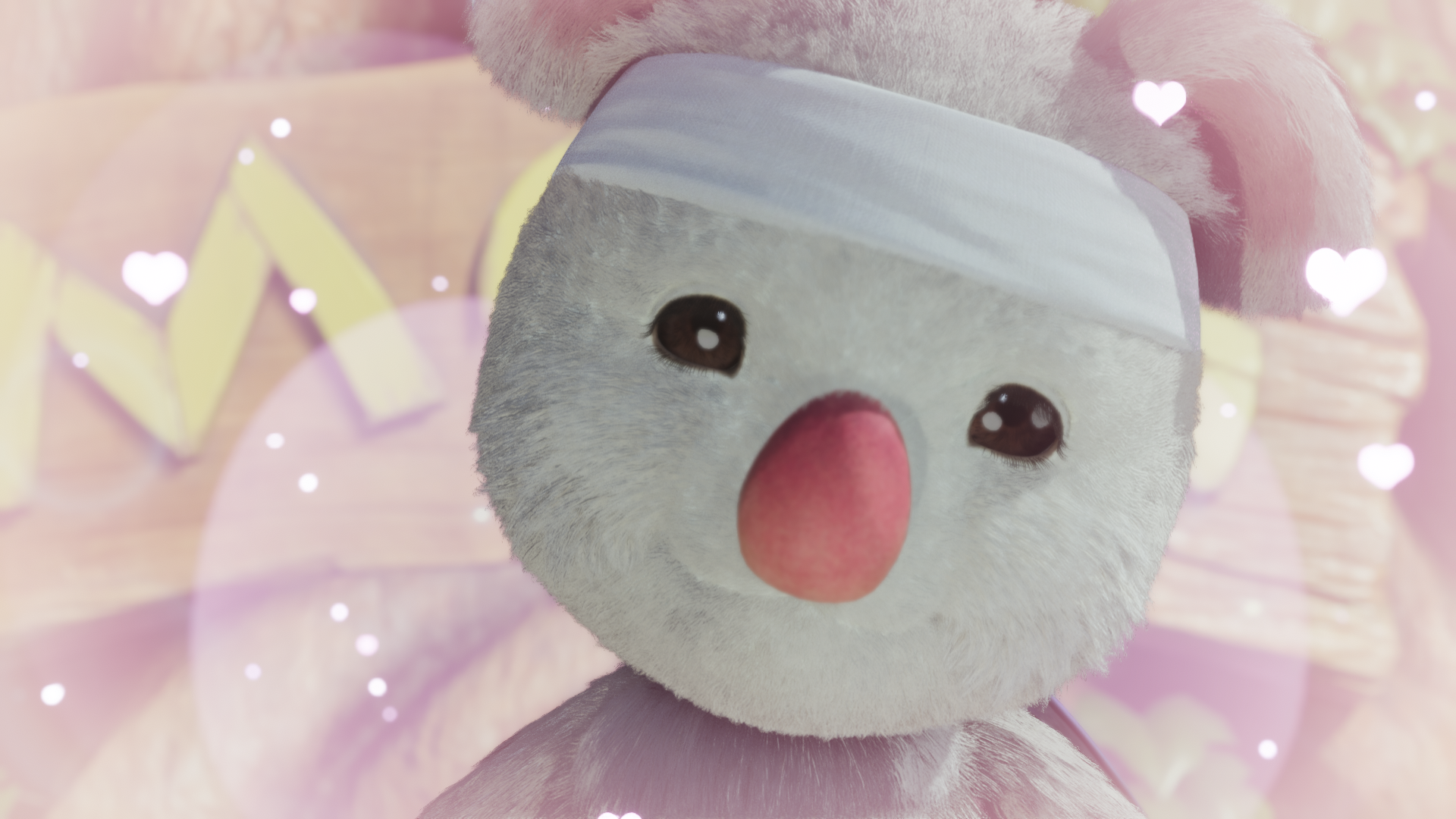
- Moogles – Good God, the Moogles in this game are fucking cursed. While there were a handful of Moogles in Remake, they were easily missable, so Rebirth represents their first “real” debut in the remake continuity… and, good God, where do I even start with these things? Is it that their hyper-realistic faces and cartoonishly exaggerated bodies makes them look uncanny? Is it their flat heads? Is it their buck teeth? Is it their grating, child-like voices (I’ve always imagined Moogles having “older” voices, meant to be comically-incongruent with their goofy antics)? Is it their infuriating babysitting minigame? Is it all of the above? Take a guess.
- Making things even weirder, you’d think that the reason they changed the moogle design would be to fit the more realistic art style of Remake, right? Well, no, because there are enemies and characters who retain their exact same design from the PS1, such as tonberries and Kid G the goblin.
- Fuckin’ Chadley – Hoo boy, I disliked Chadley in Remake, but he is so much more insufferable in Rebirth. Chadley is the gatekeeper for most of the optional, open world content you’ll come across. If you’re actively completing side content, you’re often going to be getting a pace-halting call from him all the time. He’s every bit as annoying as before… in fact, he somehow manages to be even worse. You see, he creates an AI assistant called MAI, who has a chipper personality and who is obsessed with pleasing and complementing Cloud. This causes Chadley to turn into a jealous little bitch and we have to watch these two annoying characters bicker back and forth throughout the game. Luckily, you can skip through his dialogue sequences, which is what I did at every opportunity. He also becomes less disruptive after the game’s opening hours, which is good, because this would have been my number one complaint with the game if it persisted at that level. That said, considering how much I grew to like Roche and Johnny compared to Remake, Chadley’s continued capacity to irritate me felt even worse.
- Chapter Eight (Mostly) – The eighth chapter of the game starts out decently enough. You arrive at the Golden Saucer, where you get to cut loose and even go on a short date with one of your party members. It’s exciting, but underscored with this real sombreness. You know that this place is literally killing the planet, which makes you feel kind of guilty for getting caught up in the wonder of it all. Unfortunately, this sequence is short-lived, and the game instead takes a detour into its worst couple hours.
- It all starts when your party gets mugged and taken into Corel Prison. You’re trying to find Barret, who is suspected of shooting some Shinra soldiers in the Gold Saucer. The leader of the prison, an annoying, flamboyant gangster named Gus, says that he’ll let you know where Barret is if Cloud wins him a lot of money in chocobo racing, but until then he’s keeping the rest of the party as his captives. The idea that this thug could overpower and restrain our god-killing party is absolutely laughable, but the part that really rubs me wrong is that he implies that he’s planning on selling the female party members off as sex slaves. It’s a bit much. You then do a bunch of multi-stage chores in order to get your chocobo ready for the race, most of which lean on the dull side. Luckily, the chocobo race itself is pretty fun, but the victory feels somewhat uncermonious.
- Then the game moves onto the showdown between Barret and Dyne, which is supposed to be Barret’s big, defining character moment. To be fair, this storyline never made a lot of sense in the original FFVII either. So Dyne’s been hanging out in the desert aimlessly for years and just happens to go on a shooting spree when Barret’s around…? They’ve changed this storyline for the worse in Rebirth, but somehow also manage to keep everything that didn’t make sense about it unchanged… how the hell do you even do that? In FFVII, Dyne completely loses his mind and throws himself off a cliff out of shame and guilt over what he’s become. Barret puts this guilt on himself for his part in bringing Shinra’s destruction to Corel. In Rebirth, Dyne and Barret fight, and then Shinra get involved and gun down Dyne, who tells Barret to live with his guilt. It’s way less impactful in every regard, and is way too melodramatic for its own good.
- Slow Fucking Animations – So Rebirth is nowhere near as egregious as Remake was when it comes to slow walking sequences, hidden loading screens, etc. That said, the number of times that the game suddenly grinds to a halt and waits for you to slowly climb a wall, or move a vacuum cleaner, or follow a bunch of slow-ass motherfuckers, or take forever to turn a fucking valve is absolutely ridiculous. It’s not even slow to mask a loading screen either, who the hell thought that it was appropriate to waste my time so brazenly like this?
- Chocobo Controls – While one of the best parts of the entire game is how often you get to ride a chocobo out in the open world, the actual controls leave something to be desired. Chocobos have three speeds: a slow walk, a sprint with some momentum behind it, and a full-on dash. This is perfectly fine for general open world traversal, but if you need to make any fine movements with a chocobo, you’re always going to feel out of control. The slow walk feels way too slow to cover any ground, the sprint is going to have you overshooting your target constantly, and the dash is going to have you constantly crashing into objects, stunning yourself in the process. It’s a very finnicky system, and I get that it has to accommodate all the various speeds you need to traverse the open world, but still, maybe don’t also make it have to hold up for treasure hunting too?
- Cactuars – HOLD STILL YOU LITTLE BASTARDS!!! Cactuars are the bane of my existence, an enemy that I continue to love to hate.
I really loved my time with Final Fantasy VII Rebirth. In fact, while it feels heretical to say it… I think I like it more than the original Final Fantasy VII overall. The presentation, the way that the characters are brought to life, the fun combat, the whimsical sense of adventure… it’s all just so goddamn good and vastly overshadows any complaints I could levy at the game. Rebirth is a gargantuan game, a monumental achievement which clearly took an astounding amount of effort to bring to life. Suffice to say, I’m so hyped for Revelation to release next year!
If you liked this article…
I hate ads. You hate ads. In order to stop polluting my site with obtrusive and annoying ads, I’ve elected to turn them off on IC2S. That said, writing still takes time and effort. If you enjoyed what you read here today and want to give a token of appreciation, I’ve set up a tip jar. Feel free to donate if you feel compelled to and I hope you enjoyed the article! 🙂
About the Author
